
Independent security consultancy helping organisations protect their people, wherever they work or travel.
Independent security and risk advice for organisations responsible for protecting their people, at work and while travelling. Built on 27 years of military, corporate, humanitarian and executive security experience.
Evidence
A survey ends on one page: a rating, the findings that matter, and the three things to do first. Every recommendation carries its cost and the loss it removes, so the return is stated rather than implied.
- 17areas
- Surveyed against the same list every time, from the approach inwards
- 6stages
- Reasons, research, preparation, survey, debrief, then the report
- 3actions first
- What to do before anything else, named on the summary page
- 1page
- The summary a board can read without the report behind it
Preparedness
Preparation does most of the work.
Before anyone travels, the destination is assessed and the route planned. A threshold is set for changing or stopping the journey. The traveller knows what to do if it goes wrong.
Day to day it works the same way, at an office, a site, an event or a home. Each engagement leaves the plan, the training and the written procedure with your own people, in a form they can run without me.

How it is built
- Planning. destinations, routes and sites assessed before a movement or an operation is approved
- Training. the people who have to carry the plan trained on it, assessed and recorded
- Procedure. written thresholds and escalation, so a decision does not wait on one person being reachable
Who this is for
Organisations that:
- Carry a duty of care for staff travelling or working abroad
- Protect executives, principals or high-profile individuals
- Operate in unfamiliar or higher-risk markets
- Already pay for security and want an independent view of it
- Have the policy, but nobody who owns the decision
- Need an assessment they can act on

Areas of practice
Where I can add value.
Each engagement is agreed in advance, with a clear scope, deliverables and price before the work starts.
Operational footprint
Built on 27 years of military, corporate, humanitarian and executive security experience.
United Kingdom
Practice base
UK & Europe
Delivered work
UK & Europe
Delivered work
UK & Europe
Delivered work
UK & Europe
Delivered work
UK & Europe
Delivered work
UK & Europe
Delivered work
UK & Europe
Military service
UK & Europe
Military service
UK & Europe
Military service
UK & Europe
Military service
UK & Europe
Military service
UK & Europe
Military service
Americas
Military service
Americas
Military service
UK & Europe
Delivered work
UK & Europe
Military service
UK & Europe
Delivered work
Caribbean
Delivered work
Africa
Delivered work
Middle East
Humanitarian response
Middle East
Military service
Asia-Pacific
Military service
Middle East
Delivered work
Asia-Pacific
Delivered work
Asia-Pacific
Delivered work
Asia-Pacific
Delivered work
Hover over a location or select a category to explore
Footprint
Where the work has been delivered.
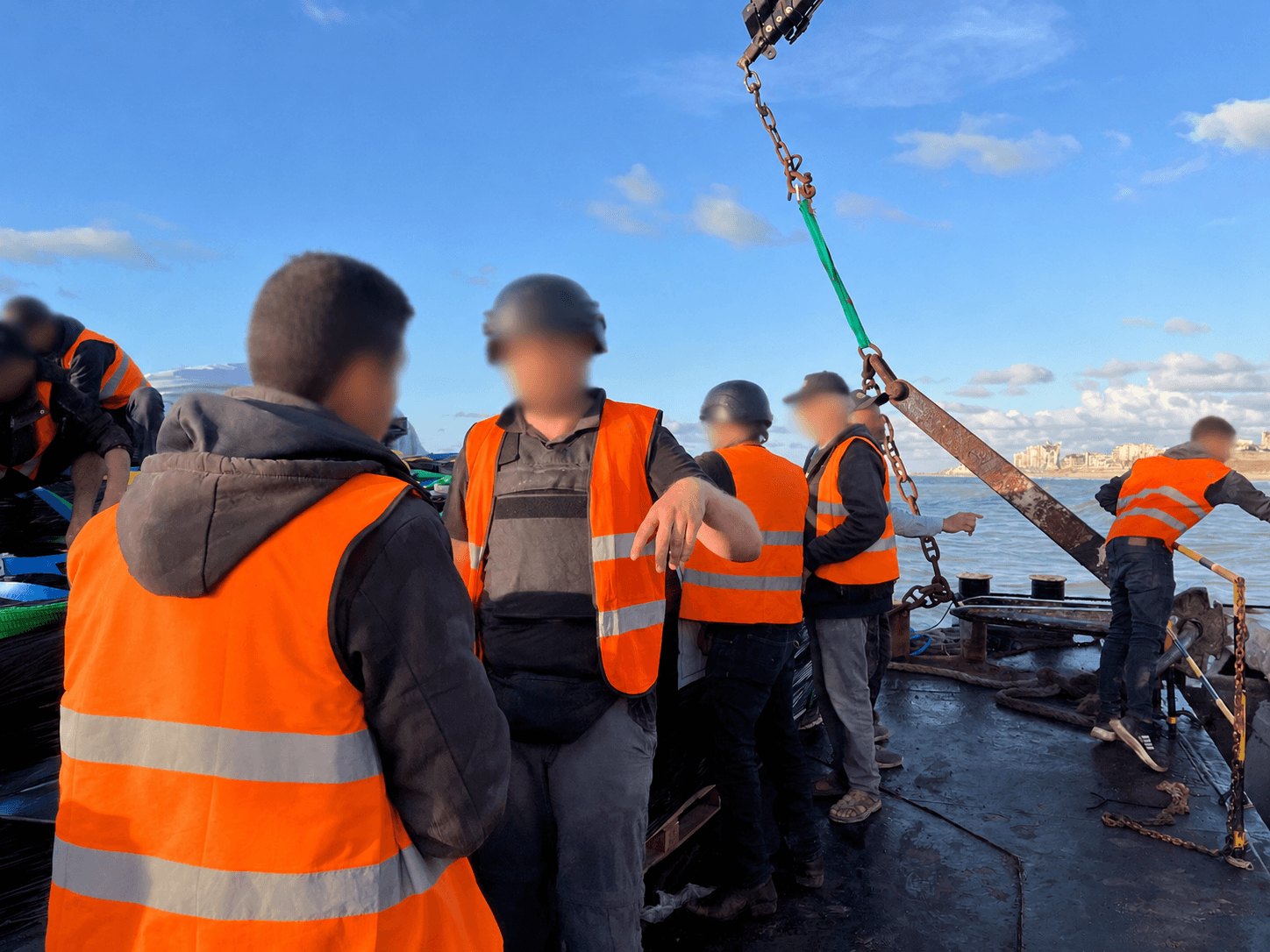
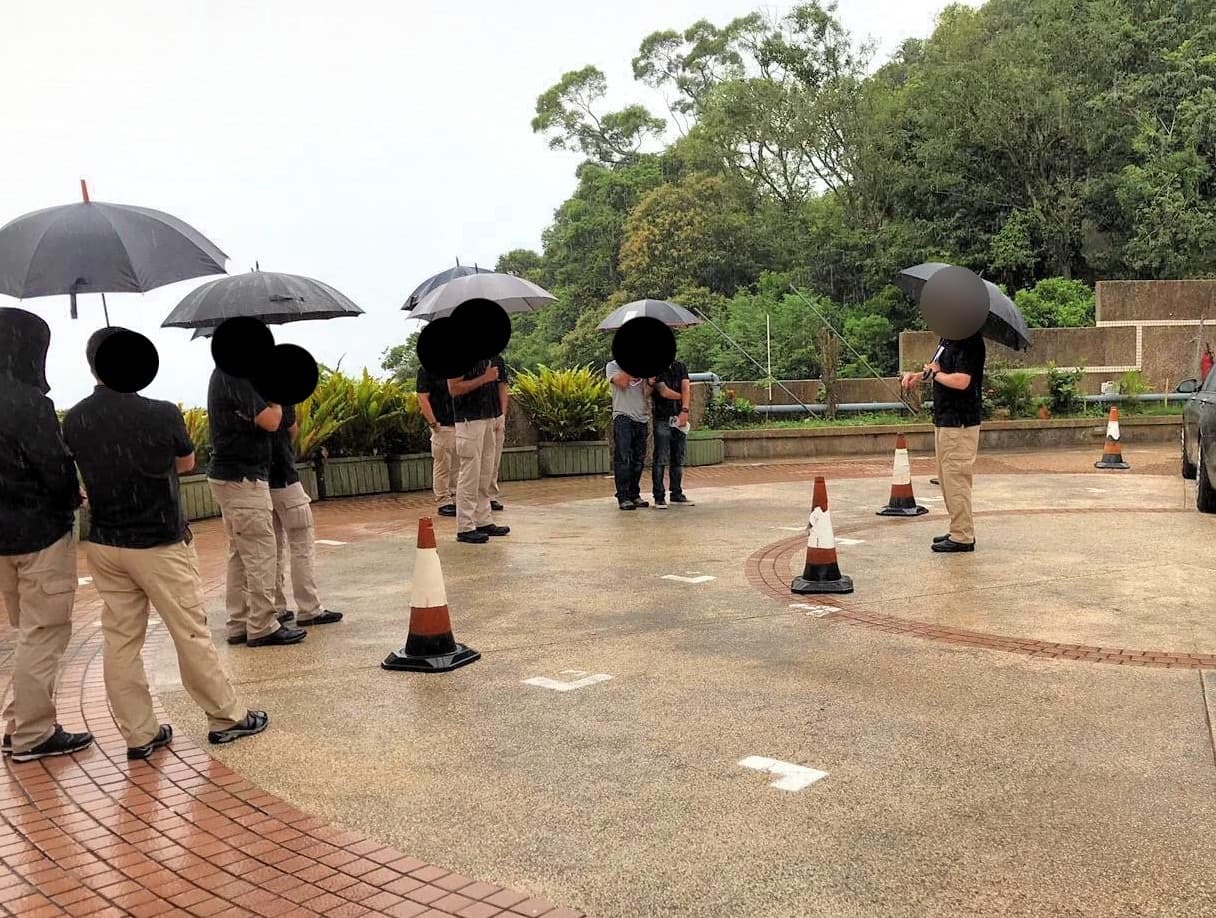
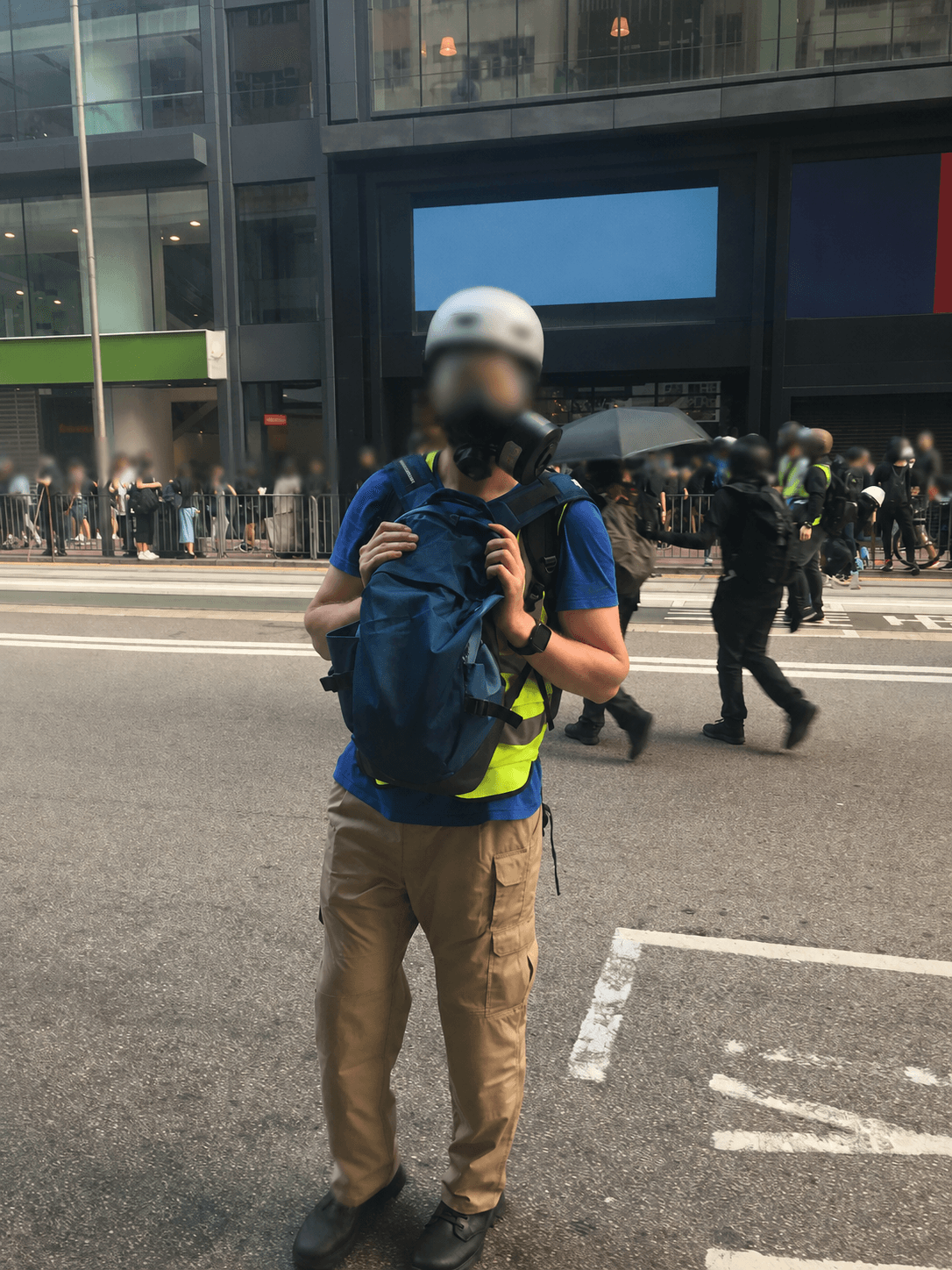
Each point represents experience working across different cultures and environments. It has built an understanding of local context, how people communicate, build trust and make decisions differently, and why an approach that works in one place, with one group of people, may not work somewhere else.



Method
The process changes with the service.
There is no single route. What gets applied depends on what is being delivered. Three examples below: how a destination is read, how a risk is identified and treated, and how training is built and recorded.
POSTT
Worked example — Executive visit, high-threat market- PPolitical3/5
Moderate
Government functioning, policing thin away from the centre
- OOperational4/5
High
Power, medical cover and vehicle recovery all have to be brought in
- SSecurity3/5
Moderate
No major incident this period, criminality against visitors persistent
- TTravel4/5
High
The airport road and any movement after dark carry the exposure
- TTerrorism2/5
Guarded
Capability exists in country, no recent targeting in this city
Every destination is read against the same five headings, and every score carries the reason it was given, so two assessments can be compared rather than just read.
Identify & treat
ISO 31000Identification prompts
- What?The asset at risk, and the act that would harm it
- Where?The location, and the ground the act would happen on
- When?The timing, and the window in which exposure is real
- Why?The motive, and what a hostile party gains from it
- How?The method they would realistically use, and with what capability
Treatment options
- AvoidDo not run the activity in the form proposed
- ReduceLower the likelihood, the impact, or both
- ShareMove part of the exposure by contract, partner or insurance, knowing the duty of care stays with you
- AcceptCarry it knowingly, with the decision recorded and owned
- PursueTake the risk deliberately because the opportunity justifies it
Every risk carries one of the five treatments, a named owner and a stated residual risk. A risk with no treatment against it is not a finding, it is a note.
Training cycle
Identifying needs and planning
The needs of the organisation, the trainer and the learners, and the plan built around them
Designing
Programme, materials and resources designed to cover what the subject requires
Facilitating
Delivering the learning, using a variety of approaches and resources
Assessing
Checking the skills, knowledge and understanding have actually been gained
Evaluating
Feedback obtained and the process evaluated, so the next delivery is better
The client receives a training record showing who attended, what was covered and the standard reached.
Worked against combined specialist knowledge acquired through experience, training and real-life exposure.

Engagement shape
Three phases.
Most engagements move through three phases. You can enter at any of them. The intent is the same in each case: the system should hold once I step back.
Understand
Read what you actually have, then build what should already exist. Risk model, thresholds, decision ownership, vendor standards and templates people will actually use.
Test
Prove it holds. Dry-run the trip, challenge the vendor, stress the leadership team against a scenario, and log where decisions slow or break.
Support
Stay close while it beds in. Briefings, approvals, oversight and incident support, then a clean exit once it runs without me.

How it starts
How an engagement starts.
Scope call
Fifteen minutes to understand the movement, the individual or the gap in the arrangements. No charge.
Fixed proposal
Fixed scope, fixed price, agreed turnaround, in writing before anything starts.
Delivery
The work, to the method, on the date agreed.
Decision brief
A clear, governed output you can act on or hand straight to the board.

Next step
Talk it through first.
Describe the situation and I will tell you what I would do about it, or whether you need me at all. Fifteen minutes.